
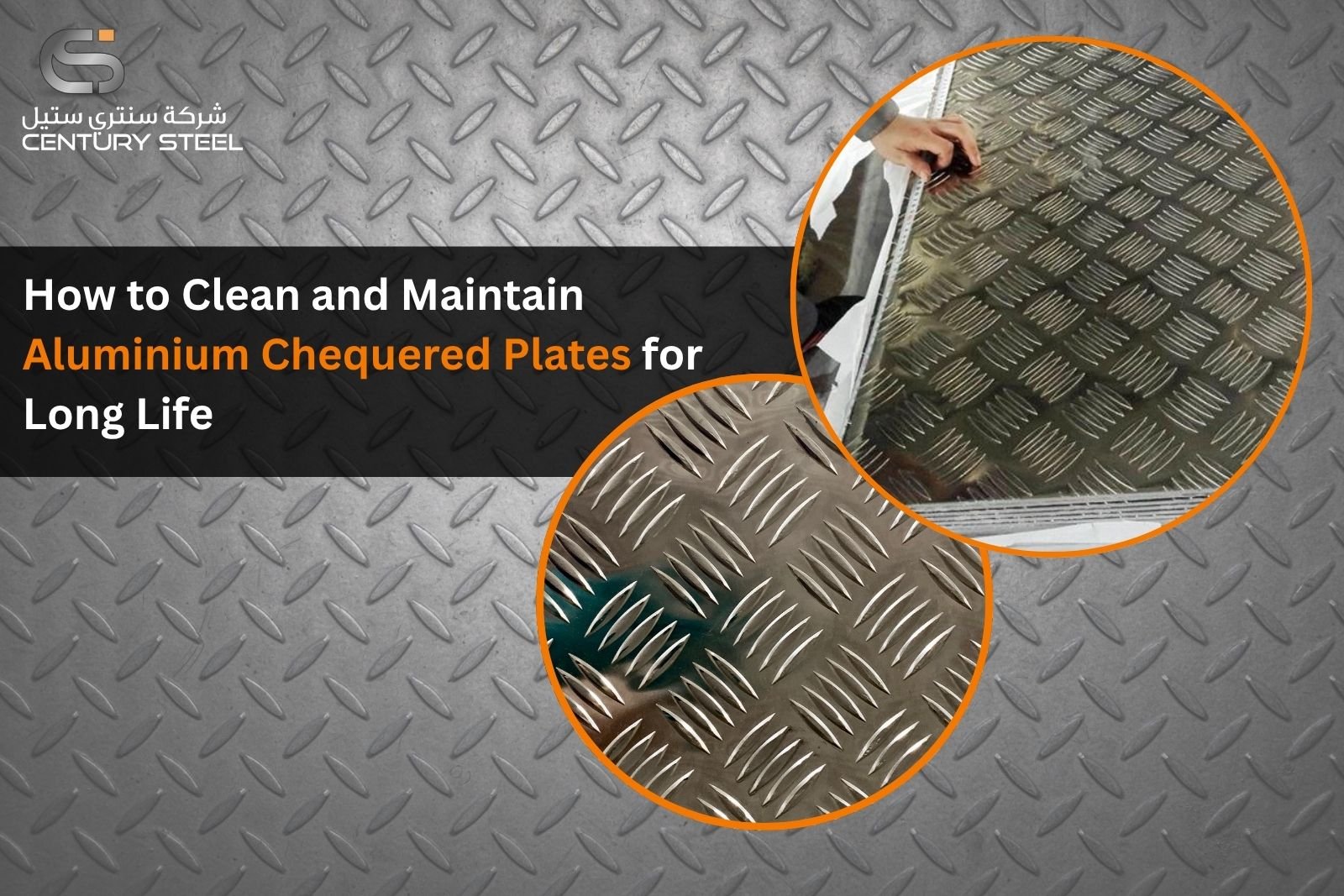
An aluminium chequered plate is a popular choice across industries thanks to its strength, lightweight nature, and anti-slip surface. You’ll commonly find it in industrial flooring, transport vehicles, staircases, and commercial kitchens. While these plates are naturally corrosion-resistant, regular cleaning and proper maintenance are key to preserving their appearance and extending their lifespan.
Whether you’re working with standard sheets or checking aluminium checker plate weight, size, or even aluminium chequered plate 5mm weight for heavy-duty applications, maintenance plays a major role in long-term performance.
Why Maintenance is Important for Aluminium Chequered Plates
Maintaining aluminium chequered plates isn’t just about keeping them clean—it directly impacts safety and durability. Over time, dust, grease, and grime can settle into the raised patterns, reducing the anti-slip properties.
Proper maintenance helps:
- Preserve the anti-slip texture
- Prevent buildup of dirt and chemicals
- Extend the lifespan of the material
- Maintain aesthetic appeal in commercial spaces
In high-traffic environments, neglecting maintenance can lead to faster wear, even if the plate thickness and aluminium chequered plate size are ideal for the application.
Common Causes of Dirt, Damage & Wear
Understanding what affects your aluminium plates helps you prevent damage early.
Some common causes include:
- Dust and debris: Settles into patterned grooves
- Oil and grease: Common in industrial and transport settings
- Moisture exposure: Can lead to dullness over time
- Heavy traffic: Causes scratches and gradual wear
Even though aluminium resists rust, harsh conditions and lack of cleaning can still affect its finish.
Daily & Routine Cleaning Methods
Routine cleaning is simple but highly effective in maintaining your aluminium chequered plate.
Here’s what you should do regularly:
- Sweep or vacuum to remove loose dirt
- Use a soft mop or cloth with mild detergent
- Clean along the pattern to remove trapped particles
- Rinse with clean water to avoid residue
Avoid using harsh chemicals, as they can damage the surface finish. Regular cleaning is especially important in areas with high foot traffic or exposure to grease.
Deep Cleaning Process
For long-term durability, deep cleaning should be done periodically.
Step-by-step process:
- Remove loose dirt using a broom or air blower
- Apply a mild cleaning solution or aluminium-safe detergent
- Use a soft brush to scrub the patterned surface
- Rinse thoroughly with water
- Dry the surface to prevent water spots
This method ensures that even the hard-to-reach areas of the plate remain clean and functional.
Do’s and Don’ts of Aluminium Plate Maintenance
Do’s:
- Use pH-neutral cleaning solutions
- Clean regularly to prevent buildup
- Dry the surface after washing
- Inspect plates for early signs of wear
Don’ts:
- Avoid acidic or highly alkaline cleaners
- Don’t use steel wool or abrasive tools
- Avoid leaving chemicals on the surface for long
- Don’t ignore minor damage or scratches
Following these simple practices can significantly increase the lifespan of your aluminium plates.
How to Prevent Corrosion & Surface Damage
Although aluminium is naturally corrosion-resistant, preventive steps can further enhance its durability.
- Apply protective coatings if used in harsh environments
- Avoid water accumulation on the surface
- Clean spills immediately, especially chemicals or oils
- Ensure proper installation to prevent water trapping
These measures are particularly useful in marine, industrial, and outdoor applications.
Maintenance Tips for Different Applications
Different environments require different care approaches:
- Industrial flooring: Clean frequently due to heavy machinery and traffic
- Transportation (trucks, trailers): Remove oil and grease regularly
- Marine use: Wash with fresh water to remove salt deposits
- Commercial kitchens: Maintain daily hygiene cleaning routines
Choosing the right aluminium chequered plate size and thickness, along with proper maintenance, ensures better performance in every application.
Signs Your Aluminium Chequered Plate Needs Replacement
Even with proper maintenance, plates may eventually need replacement. Look out for:
- Deep scratches or dents
- Reduced anti-slip grip
- Surface discoloration or damage
- Structural weakness in high-load areas
Monitoring these signs helps avoid safety risks and ensures optimal performance.
Why Choose Century Steel Kuwait for Aluminium Chequered Plate
When it comes to quality and reliability, Century Steel Kuwait stands out as a trusted supplier.
- Wide range of sizes and thickness options
- High-quality materials for long-lasting use
- Suitable for industrial, commercial, and transport applications
- Expert support for selecting the right product
Whether you need standard sheets or want details like aluminium checker plate weight, Century Steel Kuwait offers dependable solutions for every project.
Conclusion
Aluminium chequered plates are a long-lasting and practical solution for various industries—but only when properly maintained. Regular cleaning, preventive care, and timely inspections can significantly extend their life and preserve their functionality.
By following the right maintenance practices and choosing high-quality materials, you can ensure durability, safety, and cost-effectiveness for years to come.
Looking for premium aluminium chequered plates? Contact Century Steel Kuwait today for reliable supply and expert guidance.
